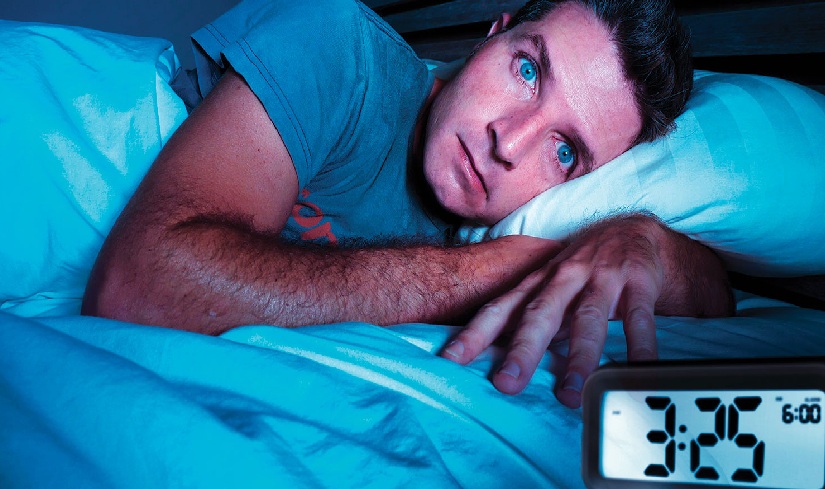
Sleeplessness, also called insomnia or sleep deprivation, means the state of being unable or unwilling to sleep adequately, leading to poor alertness, performance, and health, marked by difficulty falling or staying asleep, causing daytime tiredness, irritability, and focus issues. It can be short-term (days/weeks) or long-term (over a month) and affects mood, energy, learning, and safety, often requiring interventions like better sleep habits or therapy.
Causes of Sleeplessness (insomnia)
It is caused by stress, poor sleep habits, mental health issues (anxiety, depression), certain medical conditions (pain, heart/lung disorders, sleep apnea), medications, & disrupted circadian rhythms from shift work or travel, often involving a cycle where worry about sleep makes it worse. Common culprits include caffeine/alcohol, irregular schedules, & electronic screens before bed, alongside underlying issues like chronic pain or anxiety.
Lifestyle & Habits
Stress & Worry
Work, family, financial issues, or even worrying about sleep itself.
Poor Sleep Hygiene
Inconsistent bedtimes, naps, or using the bed for work/screens.
Stimulants
Caffeine, nicotine, or alcohol, especially close to bedtime.
Circadian Disruption
Jet lag, shift work, or late-night screen time (phones, TV).
Diet
Large meals or spicy/acidic foods before bed causing heartburn.
Mental & Physical Health
Depression, anxiety, PTSD, and substance use disorders.
Medical Conditions
Chronic pain, arthritis, asthma, heart disease, neurological issues, or acid reflux.
Hormonal Changes
Pregnancy and menopause. Hormonal insomnia can affect anyone. It can be due to pregnancy, menopause, thyroid conditions, and stress. Hormones that are most likely to affect your sleep patterns include melatonin, cortisol, estrogen, and progesterone.
Other Factors affecting Sleeplessness (insomnia)
Medications
Antidepressants, decongestants, or drugs for heart/blood pressure.
Genetics
Sleep traits can run in families.
Aging r
Older adults often sleep less deeply and wake more easily.
Types of Sleeplessness (insomnia)
Acute (Short-Term)
Days to weeks, usually stress-related.
Chronic (Long-Term)
A month or more, often linked to another problem (secondary) or a primary issue with unknown causes.
Signs of Sleeplessness (insomnia)
It include difficulty falling or staying asleep, waking up too early, and feeling tired or unfreshed during the day. Other common symptoms are irritability, mood swings, difficulty concentrating, and experiencing a lack of energy.
Nighttime symptoms
Trouble falling asleep
Lying awake for a long time before you can fall asleep.
Difficulty staying asleep
Waking up frequently during the night and having trouble getting back to sleep.
Waking up too early
Waking up significantly earlier than you intended and being unable to fall back asleep.
Daytime symptoms
Fatigue and low energy
Feeling tired, lethargic, or unwell throughout the day.
Cognitive difficulties
Having a hard time concentrating, remembering things, or making errors.
Mood changes
Feeling irritable, anxious, or moody due to poor sleep.
Other signs
Feeling as if you haven’t slept at all, even after a full night in bed.
A general feeling of being unwell or not feeling recharged after sleep.
An increased tendency to make mistakes or have accidents.
Ongoing worries about sleep itself.
Vitamin and mineral deficiencies linked to insomnia
Insomnia can be caused by a deficiency in several vitamins and minerals, including vitamin D, magnesium, vitamin B12, vitamin B6, iron, and vitamin C. These deficiencies can disrupt sleep cycles, increase anxiety, or cause conditions like restless leg syndrome, all of which interfere with restful sleep
Vitamin D
Low levels are associated with insomnia, poorer sleep quality, and more frequent awakenings during the night.
Magnesium
Deficiency can lead to insomnia, anxiety, and muscle cramps that disrupt sleep.
Vitamin B12
A lack of this vitamin can contribute to insomnia and fatigue.
Vitamin B6
This vitamin is crucial for producing melatonin and serotonin, so low levels can lead to insomnia, irritability, and mood issues.
Iron
Iron deficiency can cause restless leg syndrome (RLS), which makes it difficult to fall asleep.
Vitamin C
Low levels of vitamin C have been linked to shorter sleep duration.
Selenium
Deficiency in this mineral can lead to abnormal sleep patterns.
Treatment for Sleeplessness (insomnia)

Treatment involves improving sleep habits (good sleep hygiene), relaxation techniques, regular exercise, and managing diet (avoiding caffeine/alcohol). For persistent issues, Cognitive Behavioral Therapy for Insomnia (CBT-I) is highly effective, teaching relaxation and sleep association. Medications (like hypnotics) or supplements (melatonin) may be used short-term, but lifestyle changes and CBT-I are foundational, often addressing underlying causes like pain or anxiety.
Lifestyle & Sleep Hygiene
Consistent Schedule: Go to bed and wake up at the same time daily, even weekends, say the Hi2U Clinic/Happy Homoeopathy Clinic.
Optimize Bedroom
Make it dark, quiet, cool (65-72°F), and use it only for sleep and sex,
Limit Stimulants
Avoid caffeine, nicotine, and alcohol, especially near bedtime.
Exercise
Regular daytime physical activity helps, but avoid intense workouts close to sleep
Watch Naps
Keep them short (under 30 mins) and stop by mid-afternoon.
Relaxation Routine
A warm bath, soft music, or reading can signal sleep time.
Therapies for Sleeplessness (insomnia)
Cognitive Behavioral Therapy for Insomnia (CBT-I)
Considered the first-line treatment for chronic insomnia, this therapy teaches relaxation, sleep restriction, and links bed with sleep.
Relaxation Techniques
Deep breathing, meditation, and progressive muscle relaxation calm the mind.
Medications & Supplements
Strictly with the prescription by a Registered Medical Practitioner.
Melatonin
A natural hormone that can help regulate sleep cycles, notes Johns Hopkins Medicine.
https://threebestrated.in/homeopathic-clinics-in-erode-tn

- Acid and Corrosive Poisoning
- Acne or Pimples
- Adrenal Glands
- Anaphylaxis
- Cardiopulmonary resuscitation
- Congenital Heart Disease
- Coronary Artery Diseases
- Diabetes
- ECG Analysis
- Emergency Medicine
- Fluids and Electrolytes
- Food and Nutrition
- Gastero-enterology
- Harmonal Disorders
- Heart Diseases
- Neurology
- Oncology
- ophthalmology
- Orthopedics
- Otolaryngology (ENT)
- Pituitary Gland
- Poisoning
- Psychiatry
- Respiratory Disorders
- Signs and Symptoms
- Skin Diseases
- Symptoms and Investigations
- Symptoms of Heart Diseases
- Thyroid Gland
- Urology
- Valvular Heart Diseases